Seoul’s decades-old tableware arcade becomes a treasure hunt for young shoppers
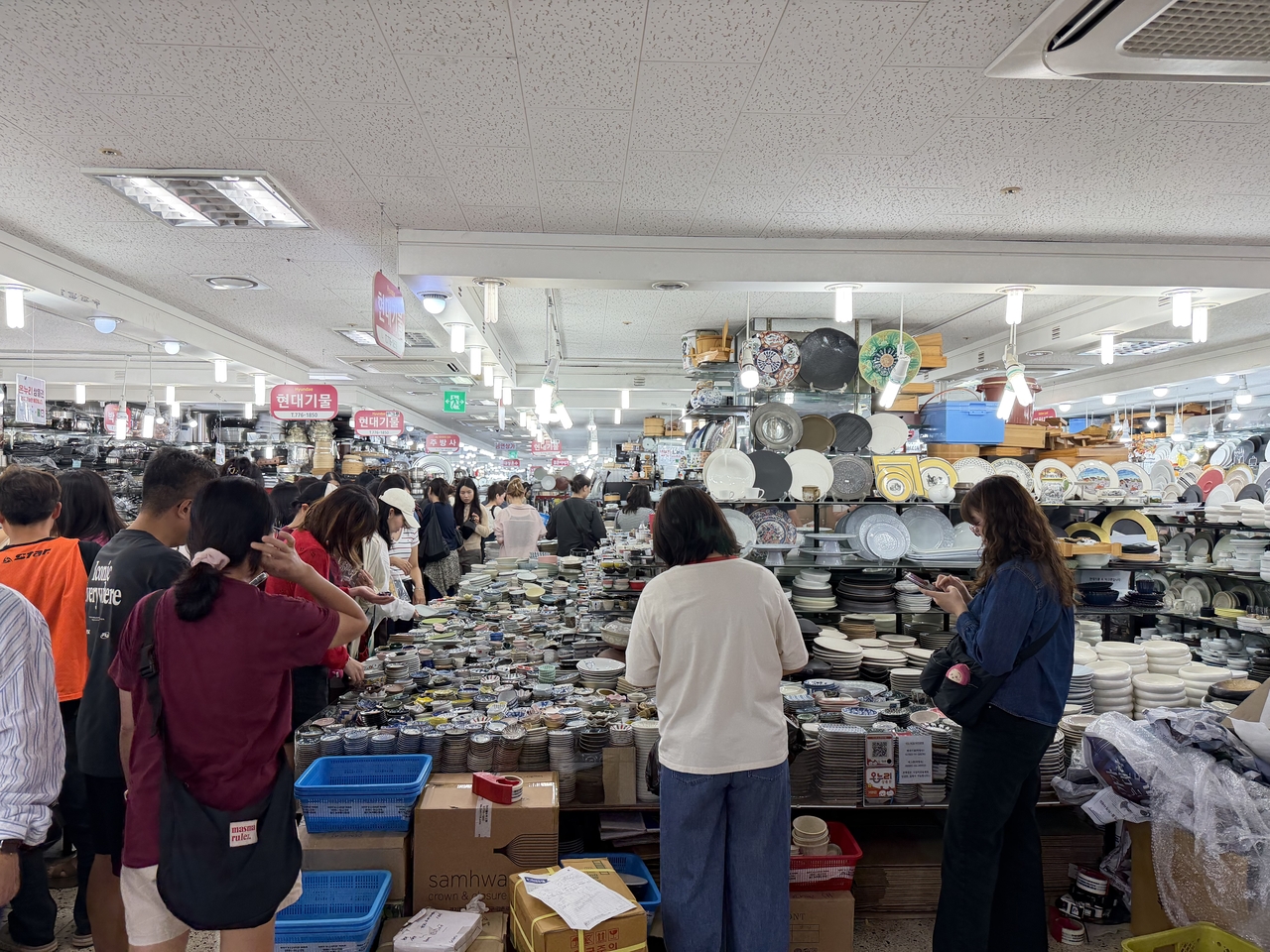
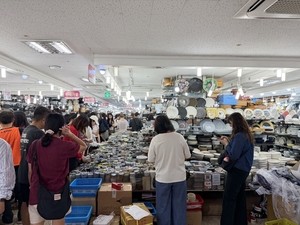
Almost any plate or cup can be ordered online in a few taps. Yet on a weekday morning, the corridors of Namdaemun Market’s tableware arcade were packed with shoppers in their 20s and 30s. Moving along the crowded aisles and reaching the shelves took patience.
They were not necessarily there for a bargain. The appeal was more tactile: picking up a dish, seeing its colors and finish in person, and sifting through stacks of stock until something caught their eye.
For decades, the wholesale tableware section of Seoul’s oldest traditional market catered largely to engaged couples buying dishes for their new homes or middle-aged housewives. That customer base dwindled as household shopping moved online. Now a younger generation is returning, often living alone and buying just a plate or two, or a mug for a home cafe.
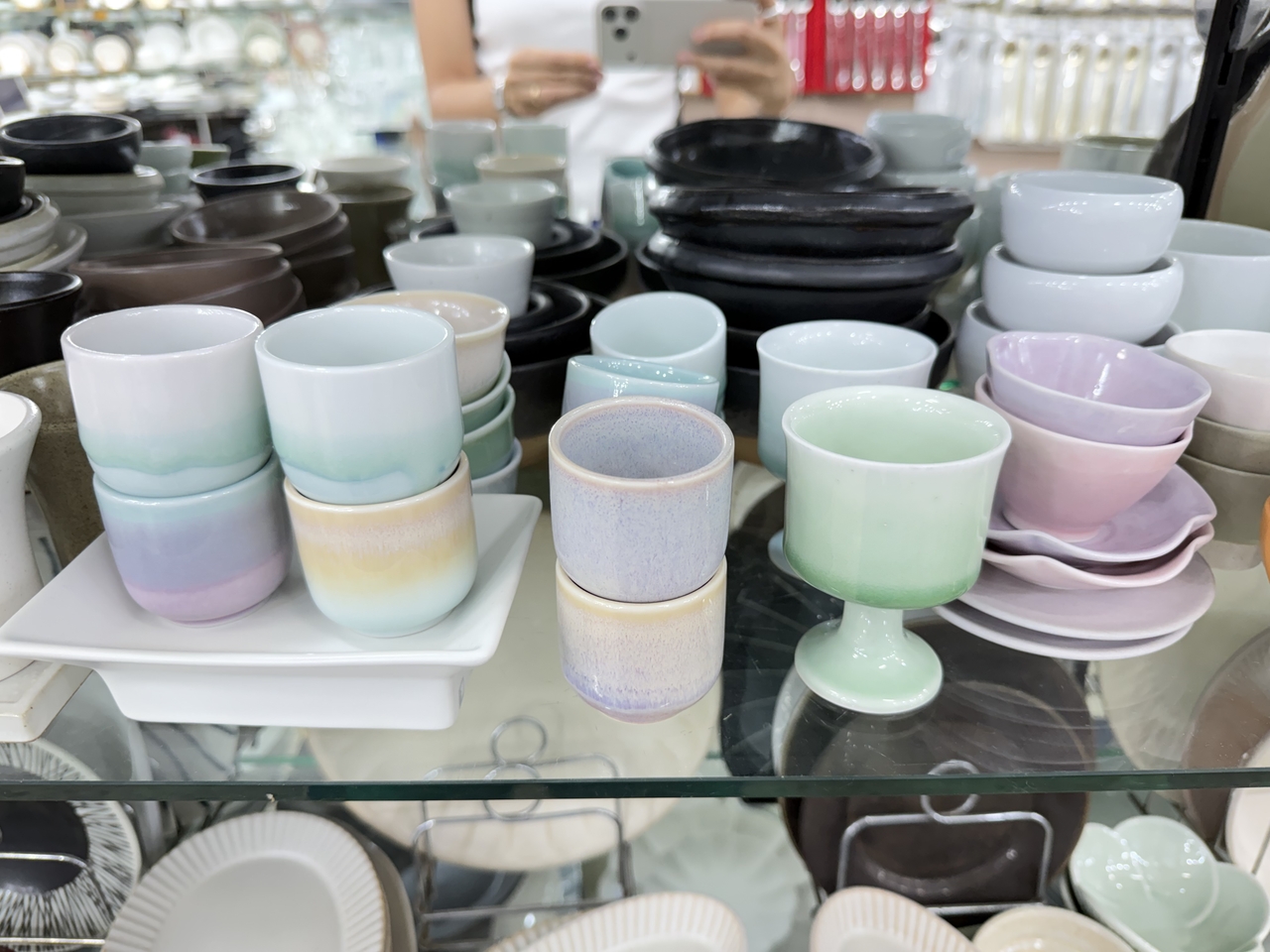
Price alone does not explain the shift. Cups typically start at around 10,000 won, while plates range from 30,000 to 50,000 won depending on their size and quality. But the bigger appeal lies in what an online listing cannot offer.
"People in their 20s and 30s are less interested in simply obtaining the final product than in experiencing the process of consumption itself and finding value and enjoyment in it. Since they lack the financial means to spend large sums, they look for things to do and enjoy by experiencing the market and trying things out at low cost," said Lee Young-ae, a professor of consumer science at Incheon National University.
The market's layout rewards that kind of browsing. Most tableware shops sit on the third floors of Buildings B and C, which are connected by a bridge. Each store carries different stock, and similar items vary in design and price from one shop to the next, so shoppers can pick something out at one store and walk next door to compare.
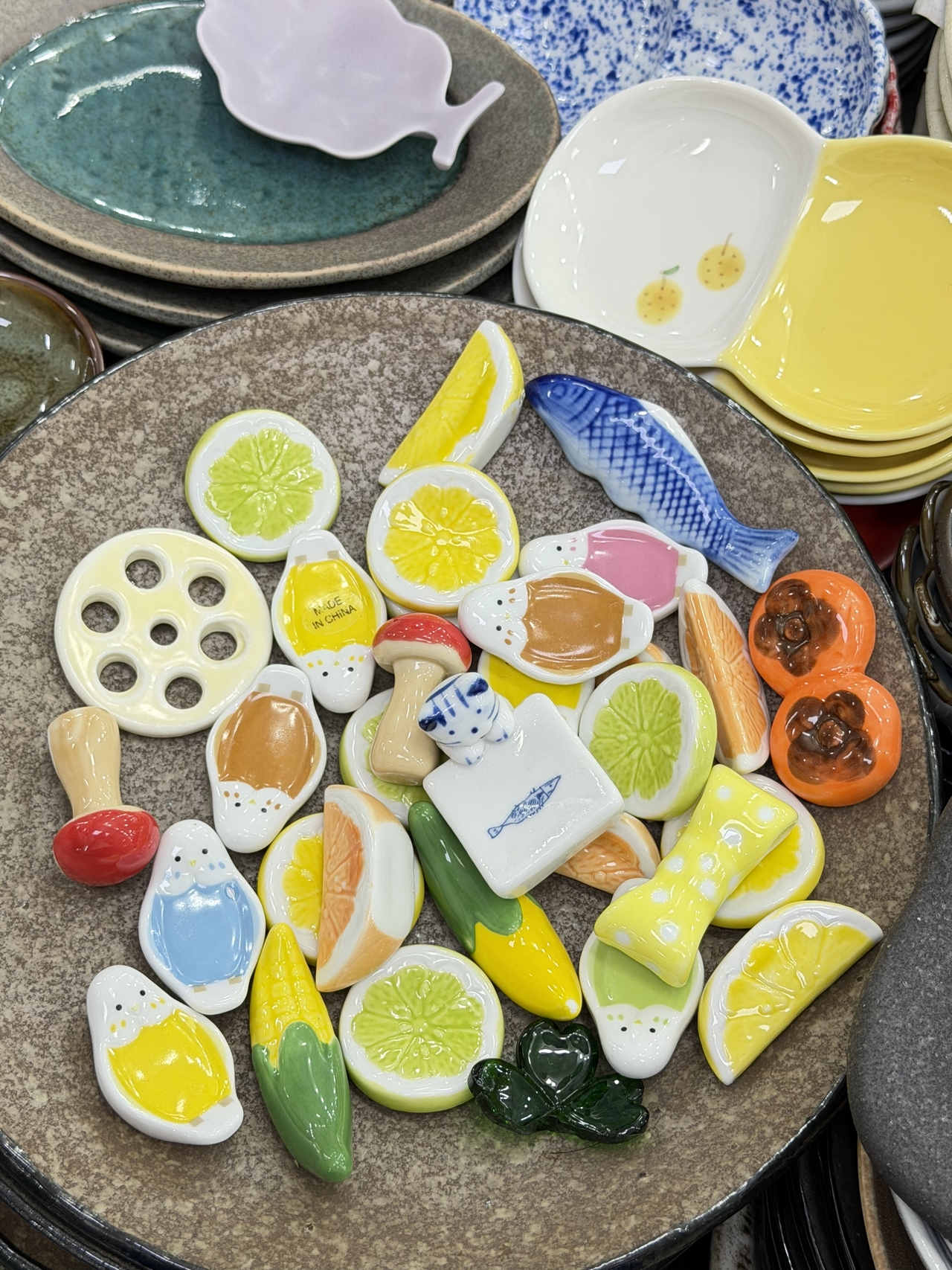
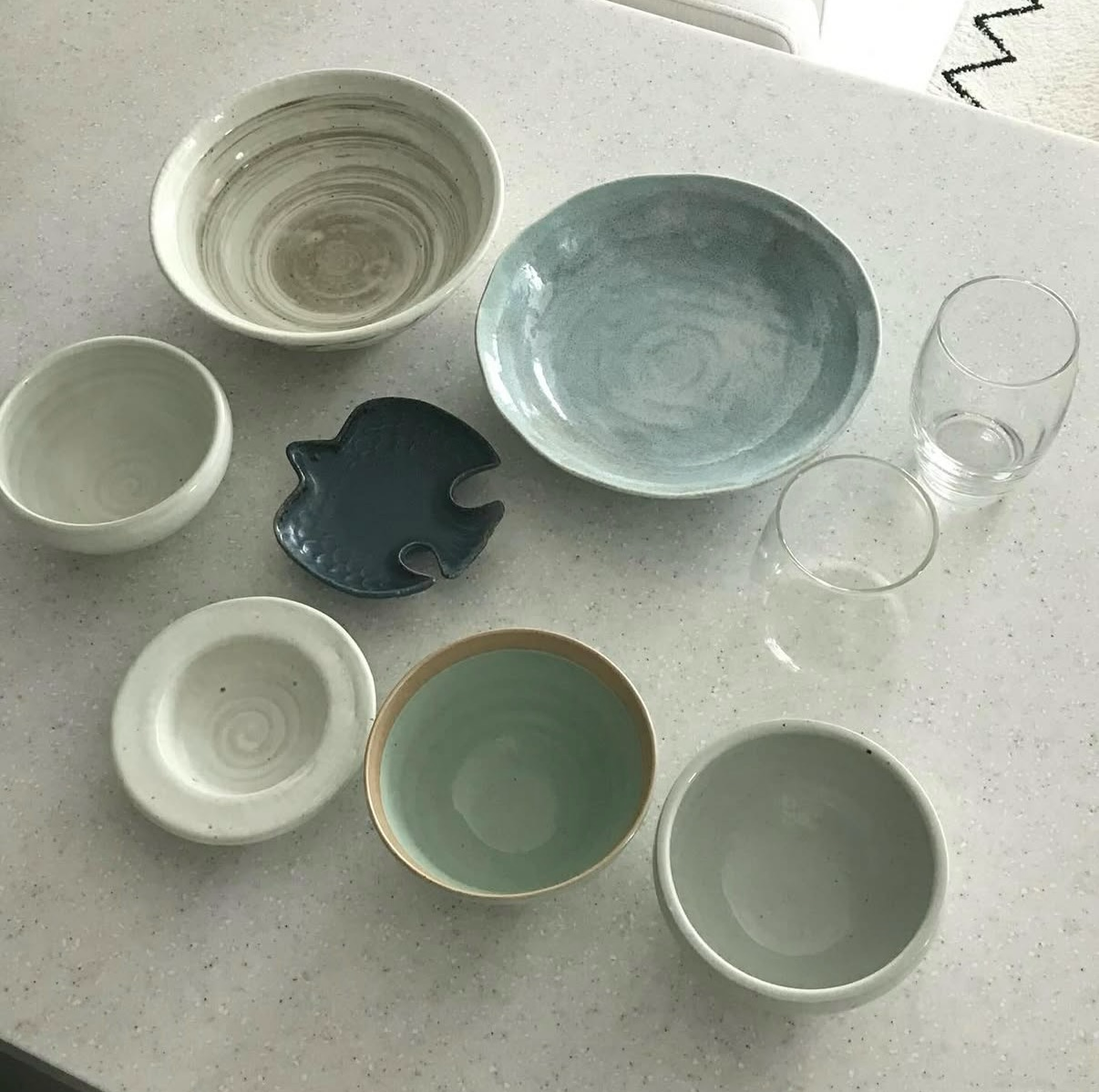
The range is wide enough that you can find something almost anywhere. Shelves hold French-style silverware, stoneware, chawanmushi cups, shabu-shabu pots, translucent glass tumblers and small items such as spoon rests and egg cups. Products come from Korea, Britain, China and Japan.
"Because Namdaemun Market offers good value and a wide variety of goods, it makes people in their 20s and 30s feel as if they have walked into a treasure trove," said Lee Eun-hee, a professor of consumer science at Inha University.
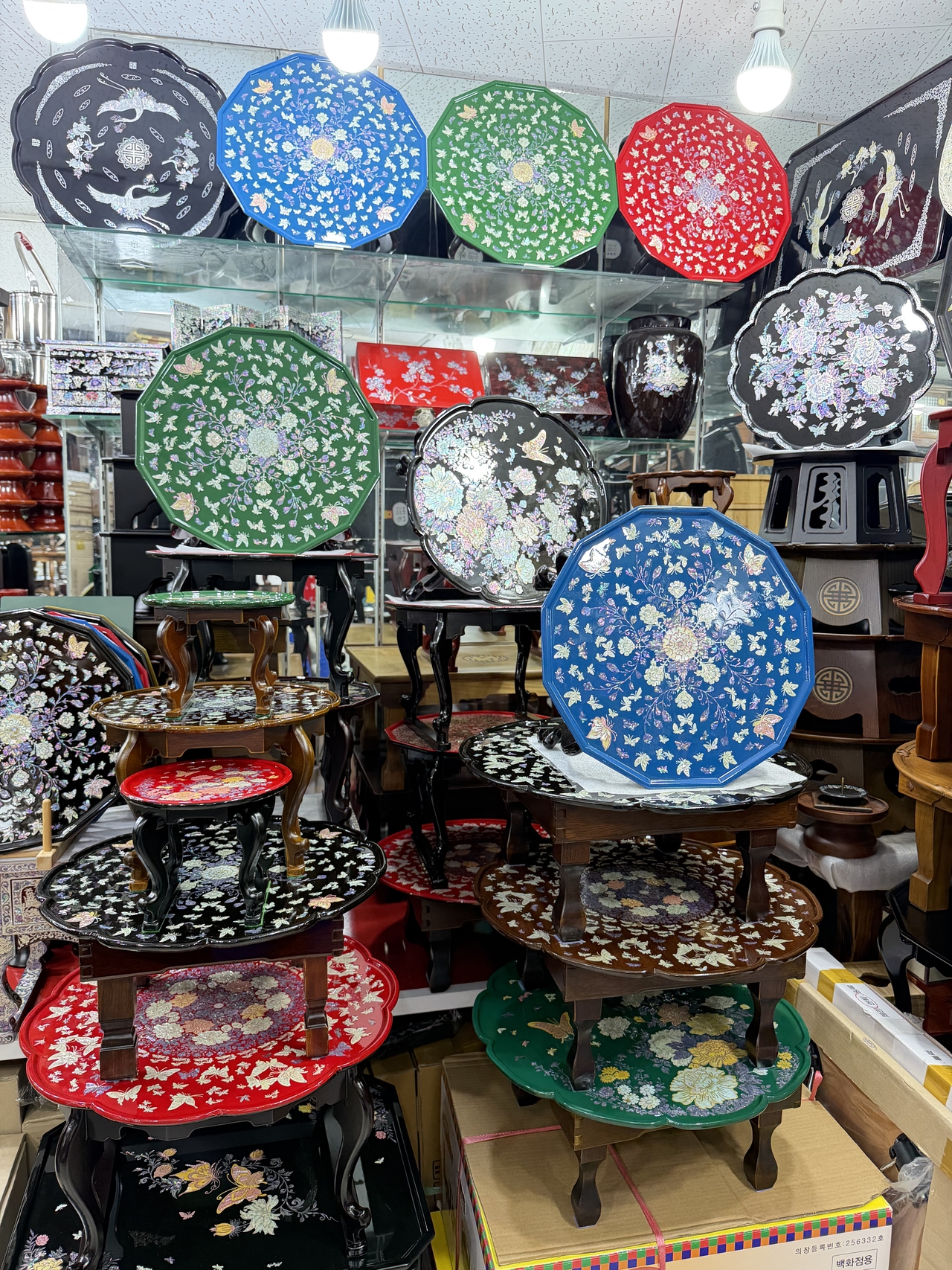
Some of those finds reflect a growing interest in traditional Korean craft. Shops carry bangjja yugi, hand-forged brassware from Anseong, Gyeonggi Province, along with lacquerware. Artisan-made tea tables with mother-of-pearl inlay sell for about 150,000 won-270,000 won depending on the size, and have drawn younger buyers as East Asian-inspired interiors gain popularity.
"There are najeon tables with all sorts of patterns. Because they are made by artisans, they tend to be on the pricier side. Young people seem to be buying them as accent pieces for their homes," said the owner of one shop.
The appeal of seeing pieces in person extends to visitors from abroad.
"In Japan, a single ceramic dish can be very expensive, but here I saw so many beautiful pieces. It's a shame I couldn't buy more because I was worried they would break on my way back home," said a Japanese tourist in her 40s.
The best-known stores, Parkgeureut & Hyundai Gimul, are so crowded even on weekdays that getting near the shelves can be difficult. But for shoppers willing to keep looking, other shops nearby hold plenty of pieces waiting to be found.